Sarawak is flipping its rice script with RM1 billion infrastructure and a new Board driving agritech investment. From drone monitoring to bio-fertilisers and premium Bario exports to Singapore, this is your invitation to build smart, sustainable food systems. The future is green, profitable, and open for business.
Sarawak's temporary 50 percent royalty reduction for timber licenses provides urgent relief to a struggling sector while balancing economic preservation with long-term sustainability goals and Premier Sarawak's vision for diversification and forest conservation.
Sarawak targets ninety percent e-waste recovery by 2040 under Premier Abang Johari's bold circular economy vision, transforming waste into wealth and unlocking lucrative investment frontiers in advanced recycling, waste-to-energy infrastructure, and high-value bio-based manufacturing across the region.
Sarawak pepper, the “Black Gold of Borneo,” thrives on premium quality, not volume. Through technologies like AgriSmartEye, blockchain halal traceability, and IoT farming, it targets pharmaceutical and cosmetic markets, ensuring sustainability and global competitiveness.
Sustainable management of marine resources in Sarawak emphasizes the effectiveness of the Blue Economy policy, marine biodiversity conservation, and the Reef Ball project as key strategies. Statistics from the Department of Fisheries show a decline in marine fish landings from 157,249 metric tonnes (2014) to 96,103 metric tonnes (2024), raising concerns about the effectiveness of existing policies.
The Reef Ball project, involving more than 21,800 artificial reef units deployed along 746 km of coastline, has received international recognition and increased fish stocks by 20–30% within 3–5 years after installation. However, enforcement issues, coastal community awareness, and infrastructure shortages remain major challenges.
Sarawak is flipping its rice script with RM1 billion infrastructure and a new Board driving agritech investment. From drone monitoring to bio-fertilisers and premium Bario exports to Singapore, this is your invitation to build smart, sustainable food systems. The future is green, profitable, and open for business.
Sarawak's temporary 50 percent royalty reduction for timber licenses provides urgent relief to a struggling sector while balancing economic preservation with long-term sustainability goals and Premier Sarawak's vision for diversification and forest conservation.
Sarawak targets ninety percent e-waste recovery by 2040 under Premier Abang Johari's bold circular economy vision, transforming waste into wealth and unlocking lucrative investment frontiers in advanced recycling, waste-to-energy infrastructure, and high-value bio-based manufacturing across the region.
Sarawak pepper, the “Black Gold of Borneo,” thrives on premium quality, not volume. Through technologies like AgriSmartEye, blockchain halal traceability, and IoT farming, it targets pharmaceutical and cosmetic markets, ensuring sustainability and global competitiveness.
Sustainable management of marine resources in Sarawak emphasizes the effectiveness of the Blue Economy policy, marine biodiversity conservation, and the Reef Ball project as key strategies. Statistics from the Department of Fisheries show a decline in marine fish landings from 157,249 metric tonnes (2014) to 96,103 metric tonnes (2024), raising concerns about the effectiveness of existing policies.
The Reef Ball project, involving more than 21,800 artificial reef units deployed along 746 km of coastline, has received international recognition and increased fish stocks by 20–30% within 3–5 years after installation. However, enforcement issues, coastal community awareness, and infrastructure shortages remain major challenges.
Sarawak is flipping its rice script with RM1 billion infrastructure and a new Board driving agritech investment. From drone monitoring to bio-fertilisers and premium Bario exports to Singapore, this is your invitation to build smart, sustainable food systems. The future is green, profitable, and open for business.
Sarawak's temporary 50 percent royalty reduction for timber licenses provides urgent relief to a struggling sector while balancing economic preservation with long-term sustainability goals and Premier Sarawak's vision for diversification and forest conservation.
Sarawak targets ninety percent e-waste recovery by 2040 under Premier Abang Johari's bold circular economy vision, transforming waste into wealth and unlocking lucrative investment frontiers in advanced recycling, waste-to-energy infrastructure, and high-value bio-based manufacturing across the region.
Sarawak pepper, the “Black Gold of Borneo,” thrives on premium quality, not volume. Through technologies like AgriSmartEye, blockchain halal traceability, and IoT farming, it targets pharmaceutical and cosmetic markets, ensuring sustainability and global competitiveness.
Sustainable management of marine resources in Sarawak emphasizes the effectiveness of the Blue Economy policy, marine biodiversity conservation, and the Reef Ball project as key strategies. Statistics from the Department of Fisheries show a decline in marine fish landings from 157,249 metric tonnes (2014) to 96,103 metric tonnes (2024), raising concerns about the effectiveness of existing policies.
The Reef Ball project, involving more than 21,800 artificial reef units deployed along 746 km of coastline, has received international recognition and increased fish stocks by 20–30% within 3–5 years after installation. However, enforcement issues, coastal community awareness, and infrastructure shortages remain major challenges.
Sarawak is flipping its rice script with RM1 billion infrastructure and a new Board driving agritech investment. From drone monitoring to bio-fertilisers and premium Bario exports to Singapore, this is your invitation to build smart, sustainable food systems. The future is green, profitable, and open for business.
Sarawak's temporary 50 percent royalty reduction for timber licenses provides urgent relief to a struggling sector while balancing economic preservation with long-term sustainability goals and Premier Sarawak's vision for diversification and forest conservation.
Sarawak targets ninety percent e-waste recovery by 2040 under Premier Abang Johari's bold circular economy vision, transforming waste into wealth and unlocking lucrative investment frontiers in advanced recycling, waste-to-energy infrastructure, and high-value bio-based manufacturing across the region.
Sarawak pepper, the “Black Gold of Borneo,” thrives on premium quality, not volume. Through technologies like AgriSmartEye, blockchain halal traceability, and IoT farming, it targets pharmaceutical and cosmetic markets, ensuring sustainability and global competitiveness.
Sustainable management of marine resources in Sarawak emphasizes the effectiveness of the Blue Economy policy, marine biodiversity conservation, and the Reef Ball project as key strategies. Statistics from the Department of Fisheries show a decline in marine fish landings from 157,249 metric tonnes (2014) to 96,103 metric tonnes (2024), raising concerns about the effectiveness of existing policies.
The Reef Ball project, involving more than 21,800 artificial reef units deployed along 746 km of coastline, has received international recognition and increased fish stocks by 20–30% within 3–5 years after installation. However, enforcement issues, coastal community awareness, and infrastructure shortages remain major challenges.
Sarawak is flipping its rice script with RM1 billion infrastructure and a new Board driving agritech investment. From drone monitoring to bio-fertilisers and premium Bario exports to Singapore, this is your invitation to build smart, sustainable food systems. The future is green, profitable, and open for business.
Sarawak's temporary 50 percent royalty reduction for timber licenses provides urgent relief to a struggling sector while balancing economic preservation with long-term sustainability goals and Premier Sarawak's vision for diversification and forest conservation.
Sarawak targets ninety percent e-waste recovery by 2040 under Premier Abang Johari's bold circular economy vision, transforming waste into wealth and unlocking lucrative investment frontiers in advanced recycling, waste-to-energy infrastructure, and high-value bio-based manufacturing across the region.
Sarawak pepper, the “Black Gold of Borneo,” thrives on premium quality, not volume. Through technologies like AgriSmartEye, blockchain halal traceability, and IoT farming, it targets pharmaceutical and cosmetic markets, ensuring sustainability and global competitiveness.
Sustainable management of marine resources in Sarawak emphasizes the effectiveness of the Blue Economy policy, marine biodiversity conservation, and the Reef Ball project as key strategies. Statistics from the Department of Fisheries show a decline in marine fish landings from 157,249 metric tonnes (2014) to 96,103 metric tonnes (2024), raising concerns about the effectiveness of existing policies.
The Reef Ball project, involving more than 21,800 artificial reef units deployed along 746 km of coastline, has received international recognition and increased fish stocks by 20–30% within 3–5 years after installation. However, enforcement issues, coastal community awareness, and infrastructure shortages remain major challenges.
Sarawak is flipping its rice script with RM1 billion infrastructure and a new Board driving agritech investment. From drone monitoring to bio-fertilisers and premium Bario exports to Singapore, this is your invitation to build smart, sustainable food systems. The future is green, profitable, and open for business.
Sarawak's temporary 50 percent royalty reduction for timber licenses provides urgent relief to a struggling sector while balancing economic preservation with long-term sustainability goals and Premier Sarawak's vision for diversification and forest conservation.
Sarawak targets ninety percent e-waste recovery by 2040 under Premier Abang Johari's bold circular economy vision, transforming waste into wealth and unlocking lucrative investment frontiers in advanced recycling, waste-to-energy infrastructure, and high-value bio-based manufacturing across the region.
Sarawak pepper, the “Black Gold of Borneo,” thrives on premium quality, not volume. Through technologies like AgriSmartEye, blockchain halal traceability, and IoT farming, it targets pharmaceutical and cosmetic markets, ensuring sustainability and global competitiveness.
Sustainable management of marine resources in Sarawak emphasizes the effectiveness of the Blue Economy policy, marine biodiversity conservation, and the Reef Ball project as key strategies. Statistics from the Department of Fisheries show a decline in marine fish landings from 157,249 metric tonnes (2014) to 96,103 metric tonnes (2024), raising concerns about the effectiveness of existing policies.
The Reef Ball project, involving more than 21,800 artificial reef units deployed along 746 km of coastline, has received international recognition and increased fish stocks by 20–30% within 3–5 years after installation. However, enforcement issues, coastal community awareness, and infrastructure shortages remain major challenges.
Sarawak is flipping its rice script with RM1 billion infrastructure and a new Board driving agritech investment. From drone monitoring to bio-fertilisers and premium Bario exports to Singapore, this is your invitation to build smart, sustainable food systems. The future is green, profitable, and open for business.
Sarawak's temporary 50 percent royalty reduction for timber licenses provides urgent relief to a struggling sector while balancing economic preservation with long-term sustainability goals and Premier Sarawak's vision for diversification and forest conservation.
Sarawak targets ninety percent e-waste recovery by 2040 under Premier Abang Johari's bold circular economy vision, transforming waste into wealth and unlocking lucrative investment frontiers in advanced recycling, waste-to-energy infrastructure, and high-value bio-based manufacturing across the region.
Sarawak pepper, the “Black Gold of Borneo,” thrives on premium quality, not volume. Through technologies like AgriSmartEye, blockchain halal traceability, and IoT farming, it targets pharmaceutical and cosmetic markets, ensuring sustainability and global competitiveness.
Sustainable management of marine resources in Sarawak emphasizes the effectiveness of the Blue Economy policy, marine biodiversity conservation, and the Reef Ball project as key strategies. Statistics from the Department of Fisheries show a decline in marine fish landings from 157,249 metric tonnes (2014) to 96,103 metric tonnes (2024), raising concerns about the effectiveness of existing policies.
The Reef Ball project, involving more than 21,800 artificial reef units deployed along 746 km of coastline, has received international recognition and increased fish stocks by 20–30% within 3–5 years after installation. However, enforcement issues, coastal community awareness, and infrastructure shortages remain major challenges.
Sarawak is flipping its rice script with RM1 billion infrastructure and a new Board driving agritech investment. From drone monitoring to bio-fertilisers and premium Bario exports to Singapore, this is your invitation to build smart, sustainable food systems. The future is green, profitable, and open for business.
Sarawak's temporary 50 percent royalty reduction for timber licenses provides urgent relief to a struggling sector while balancing economic preservation with long-term sustainability goals and Premier Sarawak's vision for diversification and forest conservation.
Sarawak targets ninety percent e-waste recovery by 2040 under Premier Abang Johari's bold circular economy vision, transforming waste into wealth and unlocking lucrative investment frontiers in advanced recycling, waste-to-energy infrastructure, and high-value bio-based manufacturing across the region.
Sarawak pepper, the “Black Gold of Borneo,” thrives on premium quality, not volume. Through technologies like AgriSmartEye, blockchain halal traceability, and IoT farming, it targets pharmaceutical and cosmetic markets, ensuring sustainability and global competitiveness.
Sustainable management of marine resources in Sarawak emphasizes the effectiveness of the Blue Economy policy, marine biodiversity conservation, and the Reef Ball project as key strategies. Statistics from the Department of Fisheries show a decline in marine fish landings from 157,249 metric tonnes (2014) to 96,103 metric tonnes (2024), raising concerns about the effectiveness of existing policies.
The Reef Ball project, involving more than 21,800 artificial reef units deployed along 746 km of coastline, has received international recognition and increased fish stocks by 20–30% within 3–5 years after installation. However, enforcement issues, coastal community awareness, and infrastructure shortages remain major challenges.
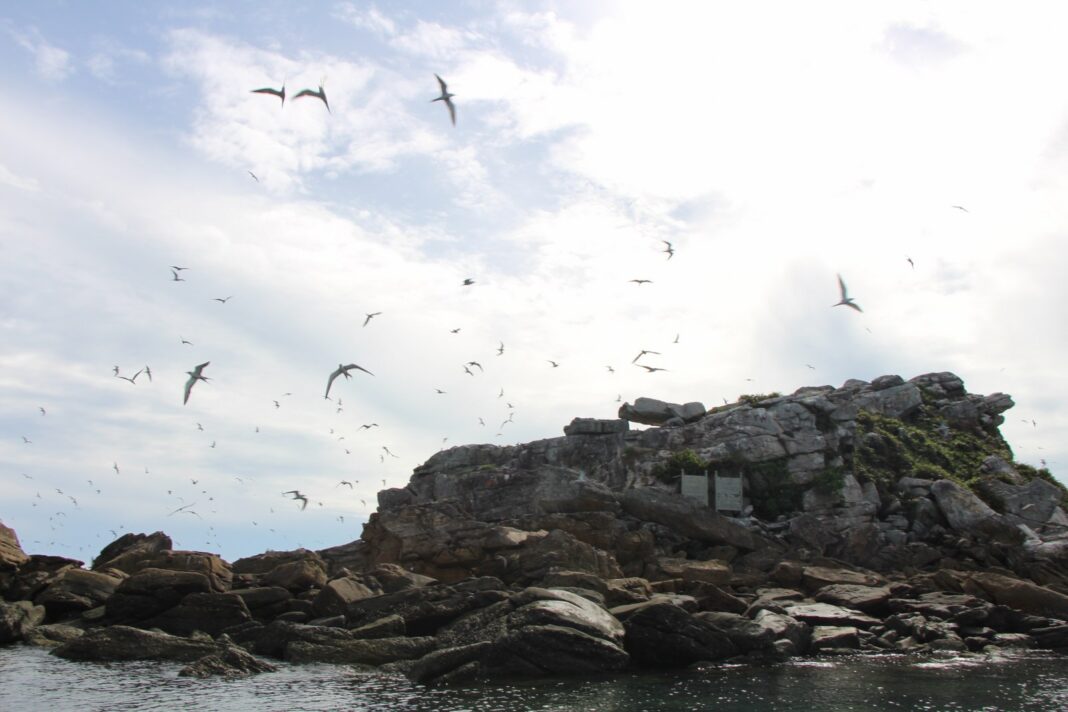
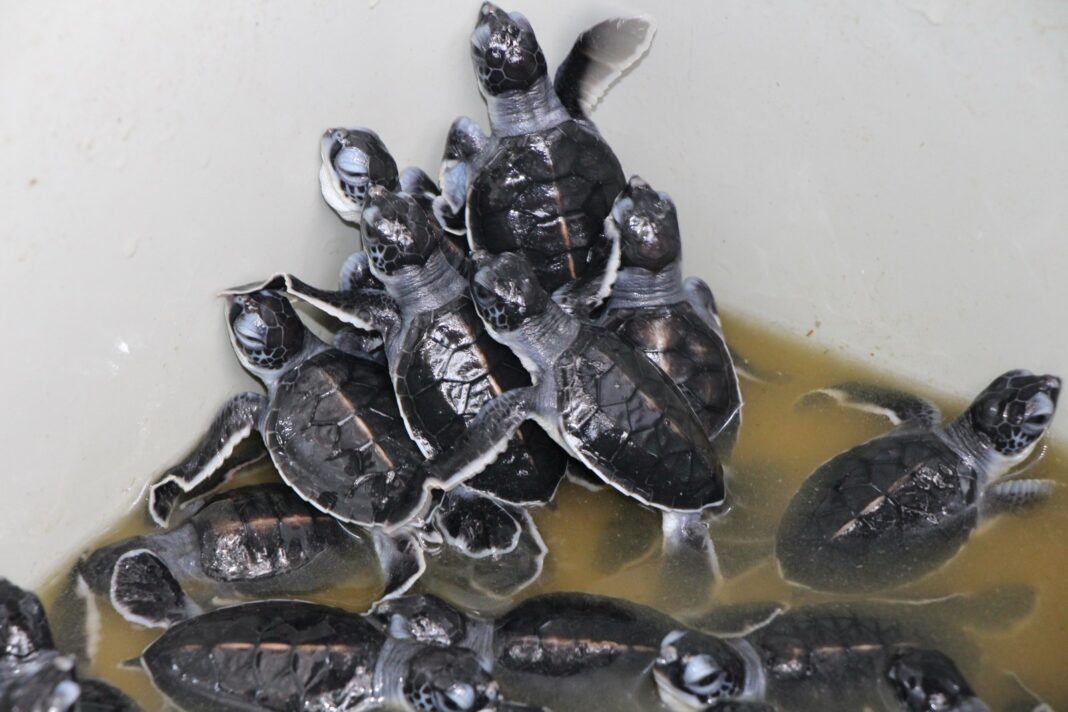
Beberapa ekor anak penyu spesies Penyu Hijau (Green Turtle) yang dipelihara di bawah program konservasi Sarawak Forestry Corporation (SFC) bakal dilepaskan ke laut dari Pulau Satang Besar. Pulau tersebut yang terletak di perairan Damai dan Santubong telah sekian lama menjadi pendaratan penyu betina menetaskan telur pada waktu malam.
Sarawak is flipping its rice script with RM1 billion infrastructure and a new Board driving agritech investment. From drone monitoring to bio-fertilisers and premium Bario exports to Singapore, this is your invitation to build smart, sustainable food systems. The future is green, profitable, and open for business.
Sarawak's temporary 50 percent royalty reduction for timber licenses provides urgent relief to a struggling sector while balancing economic preservation with long-term sustainability goals and Premier Sarawak's vision for diversification and forest conservation.
Sarawak targets ninety percent e-waste recovery by 2040 under Premier Abang Johari's bold circular economy vision, transforming waste into wealth and unlocking lucrative investment frontiers in advanced recycling, waste-to-energy infrastructure, and high-value bio-based manufacturing across the region.
Sarawak pepper, the “Black Gold of Borneo,” thrives on premium quality, not volume. Through technologies like AgriSmartEye, blockchain halal traceability, and IoT farming, it targets pharmaceutical and cosmetic markets, ensuring sustainability and global competitiveness.
Sustainable management of marine resources in Sarawak emphasizes the effectiveness of the Blue Economy policy, marine biodiversity conservation, and the Reef Ball project as key strategies. Statistics from the Department of Fisheries show a decline in marine fish landings from 157,249 metric tonnes (2014) to 96,103 metric tonnes (2024), raising concerns about the effectiveness of existing policies.
The Reef Ball project, involving more than 21,800 artificial reef units deployed along 746 km of coastline, has received international recognition and increased fish stocks by 20–30% within 3–5 years after installation. However, enforcement issues, coastal community awareness, and infrastructure shortages remain major challenges.
Sarawak is flipping its rice script with RM1 billion infrastructure and a new Board driving agritech investment. From drone monitoring to bio-fertilisers and premium Bario exports to Singapore, this is your invitation to build smart, sustainable food systems. The future is green, profitable, and open for business.
Sarawak's temporary 50 percent royalty reduction for timber licenses provides urgent relief to a struggling sector while balancing economic preservation with long-term sustainability goals and Premier Sarawak's vision for diversification and forest conservation.
Sarawak targets ninety percent e-waste recovery by 2040 under Premier Abang Johari's bold circular economy vision, transforming waste into wealth and unlocking lucrative investment frontiers in advanced recycling, waste-to-energy infrastructure, and high-value bio-based manufacturing across the region.
Sarawak pepper, the “Black Gold of Borneo,” thrives on premium quality, not volume. Through technologies like AgriSmartEye, blockchain halal traceability, and IoT farming, it targets pharmaceutical and cosmetic markets, ensuring sustainability and global competitiveness.
Sustainable management of marine resources in Sarawak emphasizes the effectiveness of the Blue Economy policy, marine biodiversity conservation, and the Reef Ball project as key strategies. Statistics from the Department of Fisheries show a decline in marine fish landings from 157,249 metric tonnes (2014) to 96,103 metric tonnes (2024), raising concerns about the effectiveness of existing policies.
The Reef Ball project, involving more than 21,800 artificial reef units deployed along 746 km of coastline, has received international recognition and increased fish stocks by 20–30% within 3–5 years after installation. However, enforcement issues, coastal community awareness, and infrastructure shortages remain major challenges.
The journey of Sarawak pepper from vine to global market now tells a story far richer than flavour alone.
It speaks of a government that understands the future of trade, farmers equipped with 21st-century tools, and a product whose value is enhanced by its integrity.
The success of JTS Sarawak in securing gold and silver medals at MTE 2026 proves that digital innovations such as COMMANDS and Poletervation serve as catalysts for the state's preparedness. This international recognition strengthens Sarawak's reputation as a leader in the global public sector, aligning with the aspirations of PCDS 2030 in facing the challenges of the digital era.
Discover Sarawak's green economy advantage today. Our 2023 Ordinance transforms climate action into profitable ventures, attracting global capital, empowering local enterprises, positioning your business at sustainability's forefront. Invest now, lead tomorrow, reap exceptional rewards in Asia's most forward-thinking, investment-ready jurisdiction.