Sarawak aims to become South-East Asia's renewable energy hub. Hydropower and solar are moving, while exports advance slowly. Green hydrogen has been scaled back. Investors should separate operating assets from paper plans and always confirm all figures directly before signing.
Sarawak wants to become a major supplier of green hydrogen, using its cheap hydropower to make clean fuel for Japan and South Korea. Though big projects have been scaled back, the state remains a serious long-term player in clean energy.
Sarawak’s algae revolution transforms coal-plant emissions into sustainable fuel, protein, and pharma inputs, a funded, scaling industrial platform. With Japanese capital, indigenous partnerships, and 2030 SAF mandates, it delivers verified ESG impact and commercial returns, positioning Malaysia as Asia’s bioeconomy hub.
Sarawak’s digital sector offers immense investment potential, driven by abundant renewable hydropower and robust government initiatives. Investors can capitalize on green data centres, 5G infrastructure, and digital SME adoption, ensuring sustainable, high-yield returns in the Southeast Asia digital frontier.
Malaysia imports over a billion dollars in rice annually, with self-sufficiency stuck near 52%. Sarawak produces only 21% of its needs. Perennial rice offers an import-substitution opportunity, converting chronic undersupply into domestic production and capturing revenue currently lost to imports.
Sarawak aims to become South-East Asia's renewable energy hub. Hydropower and solar are moving, while exports advance slowly. Green hydrogen has been scaled back. Investors should separate operating assets from paper plans and always confirm all figures directly before signing.
Sarawak wants to become a major supplier of green hydrogen, using its cheap hydropower to make clean fuel for Japan and South Korea. Though big projects have been scaled back, the state remains a serious long-term player in clean energy.
Sarawak’s algae revolution transforms coal-plant emissions into sustainable fuel, protein, and pharma inputs, a funded, scaling industrial platform. With Japanese capital, indigenous partnerships, and 2030 SAF mandates, it delivers verified ESG impact and commercial returns, positioning Malaysia as Asia’s bioeconomy hub.
Sarawak’s digital sector offers immense investment potential, driven by abundant renewable hydropower and robust government initiatives. Investors can capitalize on green data centres, 5G infrastructure, and digital SME adoption, ensuring sustainable, high-yield returns in the Southeast Asia digital frontier.
Malaysia imports over a billion dollars in rice annually, with self-sufficiency stuck near 52%. Sarawak produces only 21% of its needs. Perennial rice offers an import-substitution opportunity, converting chronic undersupply into domestic production and capturing revenue currently lost to imports.
Sarawak aims to become South-East Asia's renewable energy hub. Hydropower and solar are moving, while exports advance slowly. Green hydrogen has been scaled back. Investors should separate operating assets from paper plans and always confirm all figures directly before signing.
Sarawak wants to become a major supplier of green hydrogen, using its cheap hydropower to make clean fuel for Japan and South Korea. Though big projects have been scaled back, the state remains a serious long-term player in clean energy.
Sarawak’s algae revolution transforms coal-plant emissions into sustainable fuel, protein, and pharma inputs, a funded, scaling industrial platform. With Japanese capital, indigenous partnerships, and 2030 SAF mandates, it delivers verified ESG impact and commercial returns, positioning Malaysia as Asia’s bioeconomy hub.
Sarawak’s digital sector offers immense investment potential, driven by abundant renewable hydropower and robust government initiatives. Investors can capitalize on green data centres, 5G infrastructure, and digital SME adoption, ensuring sustainable, high-yield returns in the Southeast Asia digital frontier.
Malaysia imports over a billion dollars in rice annually, with self-sufficiency stuck near 52%. Sarawak produces only 21% of its needs. Perennial rice offers an import-substitution opportunity, converting chronic undersupply into domestic production and capturing revenue currently lost to imports.
Sarawak aims to become South-East Asia's renewable energy hub. Hydropower and solar are moving, while exports advance slowly. Green hydrogen has been scaled back. Investors should separate operating assets from paper plans and always confirm all figures directly before signing.
Sarawak wants to become a major supplier of green hydrogen, using its cheap hydropower to make clean fuel for Japan and South Korea. Though big projects have been scaled back, the state remains a serious long-term player in clean energy.
Sarawak’s algae revolution transforms coal-plant emissions into sustainable fuel, protein, and pharma inputs, a funded, scaling industrial platform. With Japanese capital, indigenous partnerships, and 2030 SAF mandates, it delivers verified ESG impact and commercial returns, positioning Malaysia as Asia’s bioeconomy hub.
Sarawak’s digital sector offers immense investment potential, driven by abundant renewable hydropower and robust government initiatives. Investors can capitalize on green data centres, 5G infrastructure, and digital SME adoption, ensuring sustainable, high-yield returns in the Southeast Asia digital frontier.
Malaysia imports over a billion dollars in rice annually, with self-sufficiency stuck near 52%. Sarawak produces only 21% of its needs. Perennial rice offers an import-substitution opportunity, converting chronic undersupply into domestic production and capturing revenue currently lost to imports.
Sarawak aims to become South-East Asia's renewable energy hub. Hydropower and solar are moving, while exports advance slowly. Green hydrogen has been scaled back. Investors should separate operating assets from paper plans and always confirm all figures directly before signing.
Sarawak wants to become a major supplier of green hydrogen, using its cheap hydropower to make clean fuel for Japan and South Korea. Though big projects have been scaled back, the state remains a serious long-term player in clean energy.
Sarawak’s algae revolution transforms coal-plant emissions into sustainable fuel, protein, and pharma inputs, a funded, scaling industrial platform. With Japanese capital, indigenous partnerships, and 2030 SAF mandates, it delivers verified ESG impact and commercial returns, positioning Malaysia as Asia’s bioeconomy hub.
Sarawak’s digital sector offers immense investment potential, driven by abundant renewable hydropower and robust government initiatives. Investors can capitalize on green data centres, 5G infrastructure, and digital SME adoption, ensuring sustainable, high-yield returns in the Southeast Asia digital frontier.
Malaysia imports over a billion dollars in rice annually, with self-sufficiency stuck near 52%. Sarawak produces only 21% of its needs. Perennial rice offers an import-substitution opportunity, converting chronic undersupply into domestic production and capturing revenue currently lost to imports.
Sarawak aims to become South-East Asia's renewable energy hub. Hydropower and solar are moving, while exports advance slowly. Green hydrogen has been scaled back. Investors should separate operating assets from paper plans and always confirm all figures directly before signing.
Sarawak wants to become a major supplier of green hydrogen, using its cheap hydropower to make clean fuel for Japan and South Korea. Though big projects have been scaled back, the state remains a serious long-term player in clean energy.
Sarawak’s algae revolution transforms coal-plant emissions into sustainable fuel, protein, and pharma inputs, a funded, scaling industrial platform. With Japanese capital, indigenous partnerships, and 2030 SAF mandates, it delivers verified ESG impact and commercial returns, positioning Malaysia as Asia’s bioeconomy hub.
Sarawak’s digital sector offers immense investment potential, driven by abundant renewable hydropower and robust government initiatives. Investors can capitalize on green data centres, 5G infrastructure, and digital SME adoption, ensuring sustainable, high-yield returns in the Southeast Asia digital frontier.
Malaysia imports over a billion dollars in rice annually, with self-sufficiency stuck near 52%. Sarawak produces only 21% of its needs. Perennial rice offers an import-substitution opportunity, converting chronic undersupply into domestic production and capturing revenue currently lost to imports.
Sarawak aims to become South-East Asia's renewable energy hub. Hydropower and solar are moving, while exports advance slowly. Green hydrogen has been scaled back. Investors should separate operating assets from paper plans and always confirm all figures directly before signing.
Sarawak wants to become a major supplier of green hydrogen, using its cheap hydropower to make clean fuel for Japan and South Korea. Though big projects have been scaled back, the state remains a serious long-term player in clean energy.
Sarawak’s algae revolution transforms coal-plant emissions into sustainable fuel, protein, and pharma inputs, a funded, scaling industrial platform. With Japanese capital, indigenous partnerships, and 2030 SAF mandates, it delivers verified ESG impact and commercial returns, positioning Malaysia as Asia’s bioeconomy hub.
Sarawak’s digital sector offers immense investment potential, driven by abundant renewable hydropower and robust government initiatives. Investors can capitalize on green data centres, 5G infrastructure, and digital SME adoption, ensuring sustainable, high-yield returns in the Southeast Asia digital frontier.
Malaysia imports over a billion dollars in rice annually, with self-sufficiency stuck near 52%. Sarawak produces only 21% of its needs. Perennial rice offers an import-substitution opportunity, converting chronic undersupply into domestic production and capturing revenue currently lost to imports.
Sarawak aims to become South-East Asia's renewable energy hub. Hydropower and solar are moving, while exports advance slowly. Green hydrogen has been scaled back. Investors should separate operating assets from paper plans and always confirm all figures directly before signing.
Sarawak wants to become a major supplier of green hydrogen, using its cheap hydropower to make clean fuel for Japan and South Korea. Though big projects have been scaled back, the state remains a serious long-term player in clean energy.
Sarawak’s algae revolution transforms coal-plant emissions into sustainable fuel, protein, and pharma inputs, a funded, scaling industrial platform. With Japanese capital, indigenous partnerships, and 2030 SAF mandates, it delivers verified ESG impact and commercial returns, positioning Malaysia as Asia’s bioeconomy hub.
Sarawak’s digital sector offers immense investment potential, driven by abundant renewable hydropower and robust government initiatives. Investors can capitalize on green data centres, 5G infrastructure, and digital SME adoption, ensuring sustainable, high-yield returns in the Southeast Asia digital frontier.
Malaysia imports over a billion dollars in rice annually, with self-sufficiency stuck near 52%. Sarawak produces only 21% of its needs. Perennial rice offers an import-substitution opportunity, converting chronic undersupply into domestic production and capturing revenue currently lost to imports.
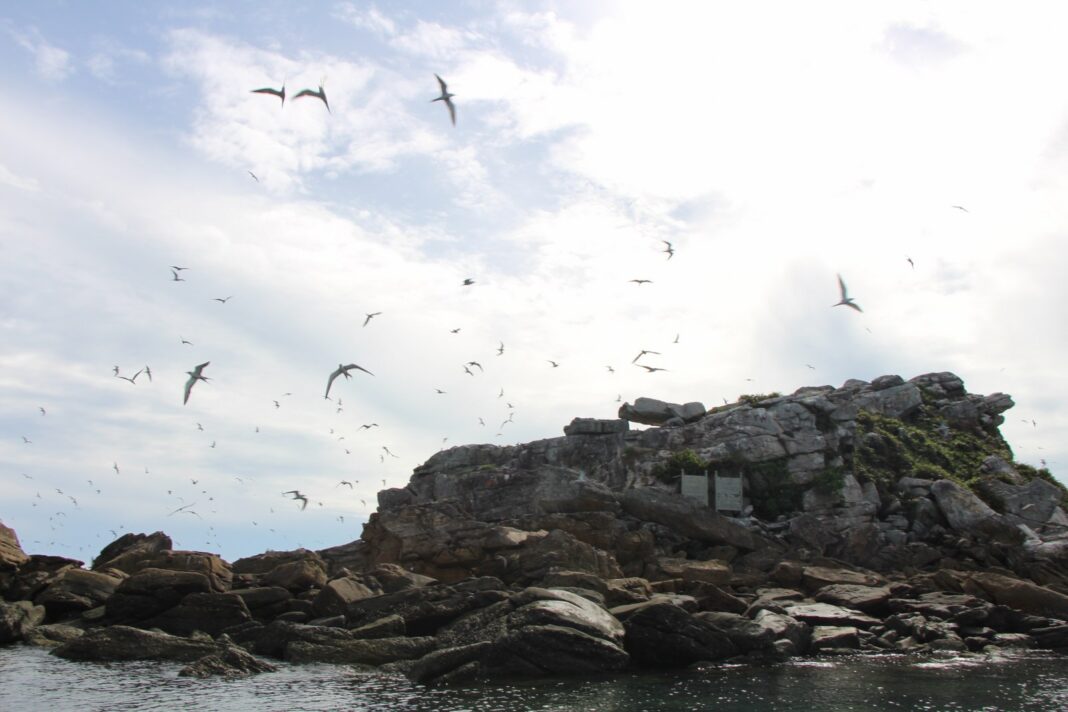
Perjalanan menaiki bot menuju ke Pulau Satang Besar akan mempertemukan pengunjung dengan pulau batu ini yang dinamakan 'Pulau Burung' oleh penduduk setempat kerana sering menjadi persinggahan burung camar yang bermigrasi pada musim tertentu.
Sarawak aims to become South-East Asia's renewable energy hub. Hydropower and solar are moving, while exports advance slowly. Green hydrogen has been scaled back. Investors should separate operating assets from paper plans and always confirm all figures directly before signing.
Sarawak wants to become a major supplier of green hydrogen, using its cheap hydropower to make clean fuel for Japan and South Korea. Though big projects have been scaled back, the state remains a serious long-term player in clean energy.
Sarawak’s algae revolution transforms coal-plant emissions into sustainable fuel, protein, and pharma inputs, a funded, scaling industrial platform. With Japanese capital, indigenous partnerships, and 2030 SAF mandates, it delivers verified ESG impact and commercial returns, positioning Malaysia as Asia’s bioeconomy hub.
Sarawak’s digital sector offers immense investment potential, driven by abundant renewable hydropower and robust government initiatives. Investors can capitalize on green data centres, 5G infrastructure, and digital SME adoption, ensuring sustainable, high-yield returns in the Southeast Asia digital frontier.
Malaysia imports over a billion dollars in rice annually, with self-sufficiency stuck near 52%. Sarawak produces only 21% of its needs. Perennial rice offers an import-substitution opportunity, converting chronic undersupply into domestic production and capturing revenue currently lost to imports.
Sarawak aims to become South-East Asia's renewable energy hub. Hydropower and solar are moving, while exports advance slowly. Green hydrogen has been scaled back. Investors should separate operating assets from paper plans and always confirm all figures directly before signing.
Sarawak wants to become a major supplier of green hydrogen, using its cheap hydropower to make clean fuel for Japan and South Korea. Though big projects have been scaled back, the state remains a serious long-term player in clean energy.
Sarawak’s algae revolution transforms coal-plant emissions into sustainable fuel, protein, and pharma inputs, a funded, scaling industrial platform. With Japanese capital, indigenous partnerships, and 2030 SAF mandates, it delivers verified ESG impact and commercial returns, positioning Malaysia as Asia’s bioeconomy hub.
Sarawak’s digital sector offers immense investment potential, driven by abundant renewable hydropower and robust government initiatives. Investors can capitalize on green data centres, 5G infrastructure, and digital SME adoption, ensuring sustainable, high-yield returns in the Southeast Asia digital frontier.
Malaysia imports over a billion dollars in rice annually, with self-sufficiency stuck near 52%. Sarawak produces only 21% of its needs. Perennial rice offers an import-substitution opportunity, converting chronic undersupply into domestic production and capturing revenue currently lost to imports.
Premier Sarawak’s visionary RM10 billion water infrastructure commitment, strategically aligned with Sustainable Development Goal 6 and core ESG principles, creates compelling foreign and domestic direct investment opportunities within Sarawak's integrated water-energy-human capital development framework for inclusive, sustainable economic growth.
Sarawak is rapidly advancing its economic vision through strategic investments, renewable hydropower, and targeted human capital development. Major infrastructure initiatives along the Rajang River empower local communities, ensuring sustainable growth and significantly boosting overall regional economic competitiveness for the state.