Friday, December 5, 2025
24.1 C
Kuching

Understanding ESG

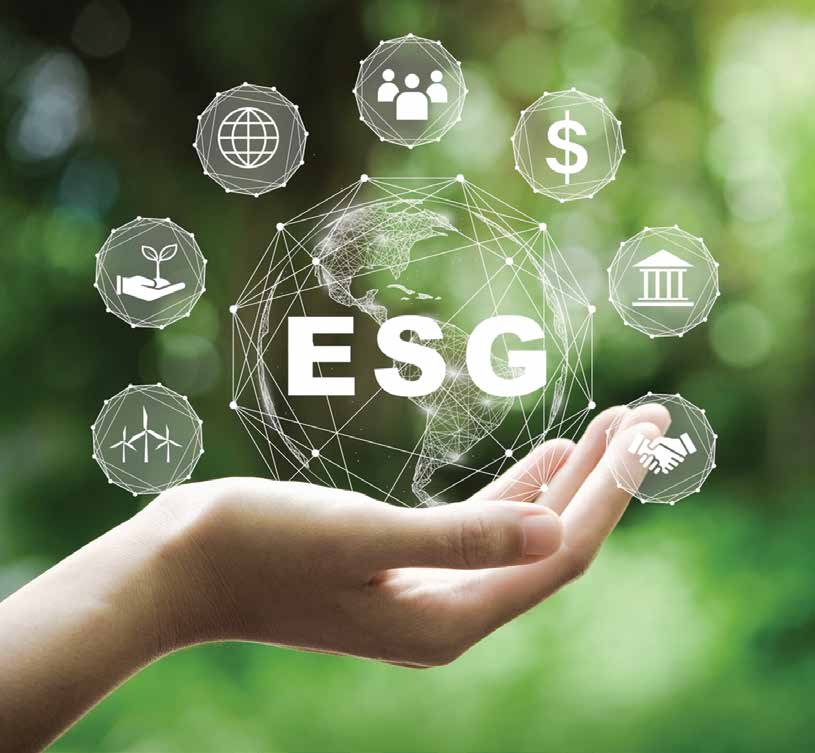
ESG stands for Environmental, Social, and Governance, and it is a set of standards that are used to screen potential investments
or third parties. Unlike its predecessors – Environmental, Health and Safety in the 1980s, Corporate Sustainability in the 1990s and Corporate Social Responsibility in the 2000s – ESG, which has been in existence since the 2010s, is seen as a more proactive approach for organisations to grow.

Taking account of a more comprehensive view that sustainability involves more than just the environment, the framework is becoming more important than ever in today’s increasingly volatile world.

ESG is important for a variety of factors. For investors, ESG considerations are vital in screening potential investments; globally, ESG focused companies tend to perform better financially compare to their counterparts.

For governments, emphasising ESG in businesses and even the public service strengthens their capability and drives efforts in tackling economic, environmental, and social issues affecting their nations.

ESG Principles

ESG Principles

In turn, society will be positively impacted from whatever fundamental change that takes place as a result of ESG initiatives by governments and the private sector; simultaneously continuing to push them to be more accountable and transparent in ensuring sustainability.

More importantly, organisations – be they multinational corporations or micro, small and medium-sized enterprises – that incorporate ESG in their strategies and operations will thrive in the long run, albeit costly and time-consuming to take on initially.

In an article published in the McKinsey Quarterly November 2019 issue, strong ESG propositions can create or add value to a business, thereby enhancing cash flow in five different ways:

For the environment, ESG has multiple benefits. It brings awareness to the different climate issues that are occurring and encourages businesses to adopt practices and policies that are better for the environment. For the social part of ESG, employees and shareholders are treated equally, and their health and safety are considered. It helps avoid bad business practices.

It also forces companies to innovate, which not only uncovers different opportunities but can open up more jobs. ESG is growing, and it is showing companies that they could either be a part of the solution or a part of the problem.

ESG and compliance are closely interconnected within an organization, and they both contribute to the trust and reputation of a business. There are some who have voiced concerns that ESG adds more to the workload of compliance teams, who are already overburdened, and that there are more pressing issues to worry about, like cybersecurity and data privacy.

Still, ESG compliance is becoming one of the top priorities for many organizations. Although environmental, social, and governance (ESG) policies are most often associated with private sector and nonprofit sector decisions related to financial instruments and investments, the public sector has both an historical and expanding role in promoting the value of ESG in its policies and decisions. Governments’ adoption and implementation of ESG is an important ethical value.

There are three primary ways in which governments may promote ESG in their jurisdictions: (1) adopting ESG goals within government operations and services; (2) implementing ESG policies and regulations; and (3) incorporating ESG factors into decisions on government assets and liabilities. In each area, governments seek to promote the public interest in its policy decisions. In many ways, the Sarawak government has been taking steps in making decisions that affirm the importance of environmental and social factors in advancing the common good of the nation.

Two sets of actions in which the Sarawak government is advancing ESG cover two primary areas: -1) operations and services, and (2) policy and regulations.

Hot this week

Turning Sarawak’s GaN Milestone Into A Thriving Industry

The launch of Sarawak’s first homegrown Gallium Nitride (GaN) semiconductor chip via the keteq.GaN and keteq.ai platforms represent more than a technical milestone - it signals a transformation in the state’s economic direction.

ESG in Sarawak: Current Developments and Local Implementation

In May 2025, Sarawak took a big step in SME sustainability when Alliance Bank Malaysia Berhad partnered with the Sarawak government, InvestSarawak, Monash University Malaysia, and the UN Global Compact Network Malaysia & Brunei to publish its first Sarawak-focused ESG report—Navigating ESG in Sarawak: Insights from SMEs.

Usaha Anak Muda Bintulu Mengekalkan Legasi Keluarga

Seorang anak muda dari Bintulu, Jonas Ting, meneruskan legasi keluarganya dalam penternakan arnab berasaskan ekonomi kitaran. Melalui inovasi dan automasi, beliau mengurus ladang secara lestari, memproses sendiri makanan ternakan serta mengitar sisa menjadi baja, menjadikan usahanya contoh kejayaan belia dalam ekonomi mampan

Meneroka Ekonomi Kitaran Melalui Penternakan Lestari di Sarawak

Penternakan lestari di Sarawak membuktikan bahawa melalui pengurusan sisa, penggunaan sumber tempatan, dan inovasi teknologi hijau, ekonomi kitaran dapat dijayakan, meningkatkan pendapatan penternak, menjimatkan kos, memelihara alam sekitar, serta membuka laluan kepimpinan generasi muda dalam sektor pertanian.

Warisan Alam yang Menghidupkan Ekonomi Kitaran di Mukah

Bahagian Mukah yang menjadi pusat industri rumbia di Sarawak kini menyaksikan transformasi ekonomi luar bandar melalui inovasi komuniti berasaskan warisan alam iaitu penternakan ulat mulong. Penternakan ulat mulong telah memanfaatkan sisa rumbia secara lestari sambil memperkukuh ekonomi setempat menerusi model ekonomi kitaran yang mampan dan inklusif.

Topics

Turning Sarawak’s GaN Milestone Into A Thriving Industry

The launch of Sarawak’s first homegrown Gallium Nitride (GaN) semiconductor chip via the keteq.GaN and keteq.ai platforms represent more than a technical milestone - it signals a transformation in the state’s economic direction.

ESG in Sarawak: Current Developments and Local Implementation

In May 2025, Sarawak took a big step in SME sustainability when Alliance Bank Malaysia Berhad partnered with the Sarawak government, InvestSarawak, Monash University Malaysia, and the UN Global Compact Network Malaysia & Brunei to publish its first Sarawak-focused ESG report—Navigating ESG in Sarawak: Insights from SMEs.

Usaha Anak Muda Bintulu Mengekalkan Legasi Keluarga

Seorang anak muda dari Bintulu, Jonas Ting, meneruskan legasi keluarganya dalam penternakan arnab berasaskan ekonomi kitaran. Melalui inovasi dan automasi, beliau mengurus ladang secara lestari, memproses sendiri makanan ternakan serta mengitar sisa menjadi baja, menjadikan usahanya contoh kejayaan belia dalam ekonomi mampan

Meneroka Ekonomi Kitaran Melalui Penternakan Lestari di Sarawak

Penternakan lestari di Sarawak membuktikan bahawa melalui pengurusan sisa, penggunaan sumber tempatan, dan inovasi teknologi hijau, ekonomi kitaran dapat dijayakan, meningkatkan pendapatan penternak, menjimatkan kos, memelihara alam sekitar, serta membuka laluan kepimpinan generasi muda dalam sektor pertanian.

Warisan Alam yang Menghidupkan Ekonomi Kitaran di Mukah

Bahagian Mukah yang menjadi pusat industri rumbia di Sarawak kini menyaksikan transformasi ekonomi luar bandar melalui inovasi komuniti berasaskan warisan alam iaitu penternakan ulat mulong. Penternakan ulat mulong telah memanfaatkan sisa rumbia secara lestari sambil memperkukuh ekonomi setempat menerusi model ekonomi kitaran yang mampan dan inklusif.

AI and Energy Merge in Sarawak

Sarawak introduces Keteq AI, the world’s first AI-based power conversion device, revolutionising energy efficiency and reinforcing its ambition to become a global digital and semiconductor technology hub.

Sustainable by Design: Inside Sarawak’s Green City Transformation

Sarawak is emerging as a regional leader in sustainable development, advancing green infrastructure, clean technology, and inclusive policies that balance economic growth with environmental responsibility and global climate goals.

Why ENVIRONMENTAL SUSTAINABILITY Matters for Sarawak

An exclusive interview with the Right Honourable Premier of...
spot_img

Related Articles

Popular Categories

spot_imgspot_img